Culinary foams can add texture, aroma and visual contrast without making a dish feel overly heavy. They may appear as a light topping on a dessert, a flavored layer on a cold drink or a small finishing element beside fruit and pastry. Although the result can look sophisticated, the best foams are usually built from simple ingredients and careful preparation.
A compatible dispenser and culinary charger can make the process more consistent than hand whisking. However, creativity should come after the basics. Temperature, thickness, filtration and flavor balance all affect whether the final foam is smooth, stable and pleasant to eat.
Begin With a Familiar Base
Cream is a practical starting point because its fat content helps it hold air. Vanilla, cocoa, coffee and caramel can be added in measured amounts to create flavors that work across several menu items. A single vanilla cream, for example, may be used with cake, fruit, pancakes or hot chocolate. Non-dairy and savory mixtures may also be possible, but they require more testing. Some liquids need a stabilizing ingredient to maintain their structure, while others may be too thin or too thick for the equipment. Always work within the dispenser manufacturer’s recommendations.
The mixture should be smooth before it enters the dispenser. Seeds, pulp, spice fragments and undissolved ingredients can obstruct the nozzle. Fine straining is one of the simplest ways to improve reliability.
Use Flavor as a Supporting Element
A foam should complement the main item rather than cover it. Citrus foam can brighten a rich chocolate dessert, while coffee cream can add bitterness to a sweet caramel dish. Berry flavors work well with plain cheesecake, meringue and vanilla sponge.
Seasonal menus offer useful direction. In warmer months, light fruit and citrus combinations can keep desserts refreshing. During autumn and winter, cinnamon, maple, chocolate and toasted flavors may feel more appropriate. The key is to use enough flavor to be noticeable without overwhelming the food beneath it.
Cooks comparing culinary supplies can browse galaxy gas for charger, tank and accessory options intended for food preparation. Product capacity and equipment compatibility should be checked before purchase, especially when the same setup will be used for several recipes.
Develop One Recipe at a Time
Testing several variables at once makes it difficult to understand why a recipe succeeds or fails. Begin with one base formula, then change only one factor, such as sweetness, flavor strength or thickness.
Record ingredient weights and temperatures for each test. Notes should also include how the foam looks immediately, how it tastes and how long it holds its texture. This turns experimentation into a repeatable kitchen process.
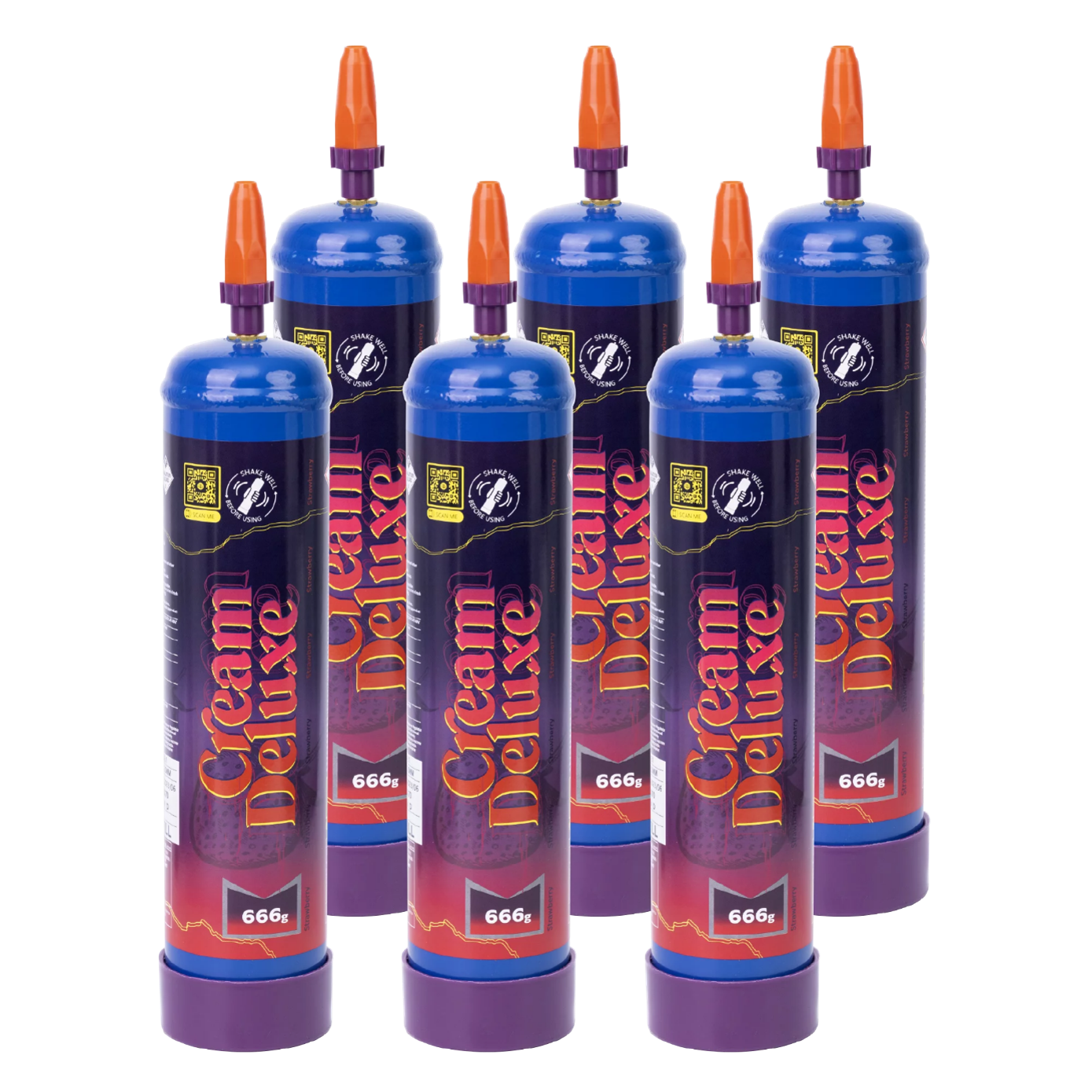
When considering products from the cream deluxe category, choose a format that matches the planned workload. A home cook testing occasional desserts has different requirements from a café preparing multiple batches during a weekend service.
Pair Texture With the Right Dish
Foam is most effective when it creates contrast. A soft topping can balance a crisp biscuit, toasted waffle or flaky pastry. A light cream may also soften the acidity of berries or the bitterness of espresso. Temperature creates another form of contrast. A chilled foam on a warm pudding can be appealing, but it should be served promptly so the texture does not collapse. A cold drink topped with flavored cream may hold longer when both the mixture and serving glass are properly chilled.
Portion size matters as well. A small, neat amount often looks more refined than a large mound. Test different nozzles and serving angles to find a finish that suits the plate or glass.
Keep Service Safe and Organized
Preparation should include cleaning and storage, not only recipe development. Dispensers and removable parts must be cleaned according to the manufacturer’s directions. Seals and nozzles should be inspected regularly, and damaged components should not be used. Chargers and cylinders must be stored away from heat, direct sunlight, children and unauthorized users. They should be used only for their labeled culinary purpose. Direct inhalation of nitrous oxide is dangerous and is never an acceptable use.
Conclusion
Culinary foams can make familiar desserts and drinks feel more polished without requiring a complicated menu. Successful results depend on a smooth base, balanced flavor, compatible equipment and disciplined testing. Begin with one dependable recipe, document every change and choose portion sizes that support the dish instead of dominating it. When cleaning, storage and responsible handling are built into the routine, culinary charger equipment can become a useful tool for creating attractive, consistent finishes in both home and professional kitchens.